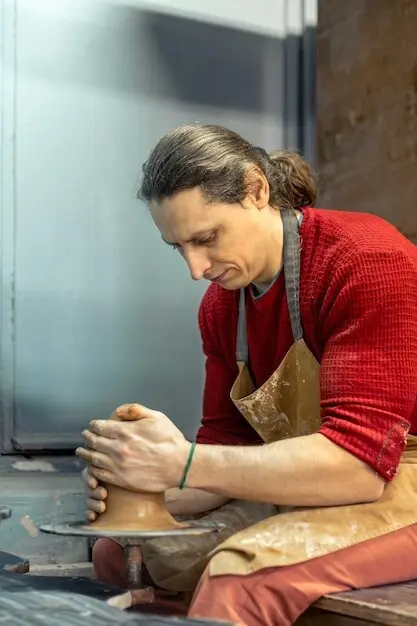
Shape, Carve, and Felt with Slovenian Masters

Today we explore hands-on workshops with Slovenian artisans—pottery, woodcarving, and wool—where fingertips learn faster than eyes, and stories linger like kiln heat and cedar scent. Expect clay-streaked laughter, careful knife strokes, warm fleece, generous tea, and practical guidance for planning, booking, and thriving in studios from river plains to alpine pastures. Bring curiosity, patience, and a willingness to make joyful mistakes. Share your questions, subscribe for updates, and tell us which craft you’re most excited to try first.

Meet the Makers Across the Valleys

Before the wheel spins or the shaving curls, you’ll meet people whose grandparents taught them to listen to material and season. In Ribnica, Filovci, and high in Solčava, makers welcome visitors with stories about tools inherited, mistakes forgiven, and techniques guarded yet generously demonstrated. Their workshops hum softly: a kettle whispers, a bench creaks, and every surface holds fingerprints of work that belongs to a place, a family, and a way of living deliberately.

Your First Touch: Clay, Timber, and Fleece

Beginnings are deliciously clumsy. Clay slumps, grain grabs, and fibers wander, yet teachers celebrate every wobble because it reveals where your hands want to go next. You’ll learn to slow down, breathe, and let weight, moisture, and tool angle speak. The first hour transforms nerves into curiosity. By day’s end, the material rewards your patience with measurable progress, and the workshop fills with that generous, shared silence of everyone learning together.

Tradition Meeting Today: Techniques and Tools
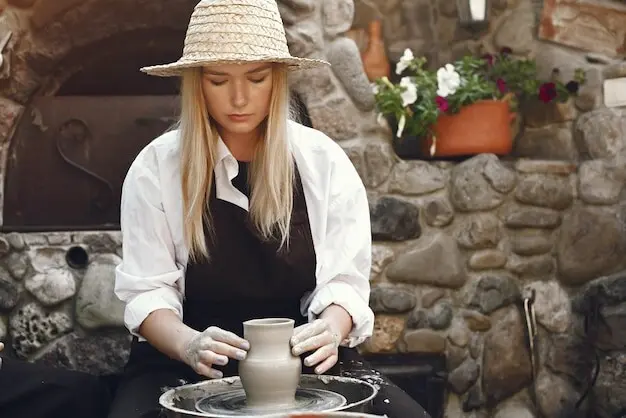
Slovenian craft traditions evolve without losing their roots. You’ll see timeworn methods standing beside subtle innovations: ergonomic tool handles, reclaimed offcuts, clay paddles shaped from storm-fallen wood, and natural dyes steeped on modern induction plates. Teachers balance repeatable steps with inviting experiments, nudging you to try, evaluate, and try again. The result feels grounded and fresh—objects you can use daily, carrying the warmth of older knowledge and the spark of your own decisions.
There is life far from the wheelhead. Explore coiling for tall forms, slab building for crisp angles, and burnishing with a river stone until surfaces shine like satin. Slip becomes punctuation, not paint, while carved textures catch smoke or glaze with intention. Instructors explain drying rhythms, leather-hard sweet spots, and why trimming delays can rescue symmetry. You’ll keep notes, test small tiles, and learn to love the slow choreography of clay becoming vessel.
Sharp is safe when you understand angles and feel for burrs. Water stones sing differently at each grit, and a leather strop completes the conversation with steel. You’ll practice consistent strokes, then return to wood that now welcomes your blade. Tool care becomes a ritual that steadies your mind before each cut. The lesson extends beyond carving: preparation makes effort efficient, reducing struggle while increasing that satisfying, ribboning curl on every pass.
Begin with carders smoothing tangles into obedient roving, then try a spindle, feeling twist accumulate like stored wind. Some workshops introduce simple looms for playful weaving swatches. Others dive deeper into wet felting and needle embellishment, adding texture with controlled pokes that anchor color. Discussions cover fiber microns, washing methods, and gentle natural mordants. The takeaway is practical and poetic: structure appears from softness when intention, repetition, and patience agree to move together.

Plan Your Creative Journey in Slovenia

Workshops run year-round, with spring and autumn offering mild weather, clear roads, and lively markets. Rural studios may be reachable by bus plus a short walk; car share with fellow learners when possible. Book early, especially near festivals or harvest weekends. Wear closed shoes, tie back hair, and expect clay splashes, wood dust, and soap-bubbled sleeves. Language rarely blocks learning; demonstrations carry meaning. Afterward, pack your pieces safely, labeling greenware and allowing felt to dry.

When and Where the Craft Comes Alive

Valleys wake early in spring, while high pastures bloom later under stubborn snowlines. Pottery villages greet visitors with stacked firewood and drying boards; woodcarvers open shutters to catch morning light; wool studios hum softly even in winter. Check local calendars for fairs and small open-studio days. Consider pairing sessions across regions to understand materials in varied climates. Travel days deserve buffer time—the most memorable detours appear between confirmed plans, not inside them.

What to Pack and How to Travel Light

Bring an apron you don’t mind staining, a notebook for glazes and grain directions, and a compact first-aid kit with plasters for honest nicks. Closed shoes, reusable water bottle, and snacks keep focus steady. A cardboard tube protects drawings and patterns, while bubble wrap cushions greenware. Leave space for a small spoon, cup, or felted keepsake. Most studios supply tools, yet your favorite pencil or carving glove can make new benches feel instantly familiar.

Sustainability, Culture, and Respect

{{SECTION_SUBTITLE}}

Materials with a Sense of Place
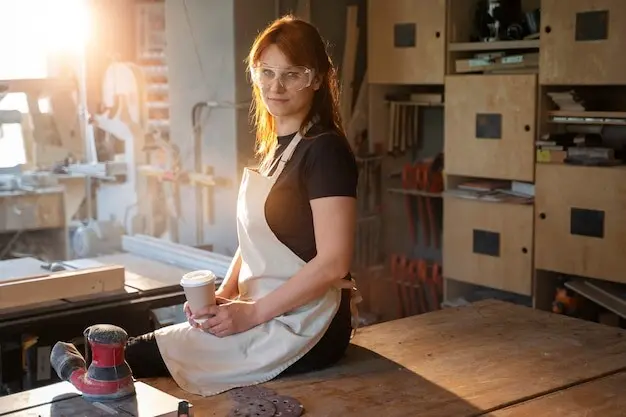
Notice how river clay behaves differently from hillside deposits, how beech contrasts with maple, and how highland wool felts with cozy density. Instructors trace supply lines so you appreciate stewardship costs and seasonal limits. You’ll see scrap wood transformed into paddles, test tiles, or charming buttons. Natural dyes from walnut hulls and onion skins color fabric like evening light. Sustainability becomes practical, beautiful, and measurable in every jar, board, and basket you touch.

Safety, Care, and Workshop Harmony

Good habits shape safe spaces. Tie aprons snugly, sweep chips before they hide underfoot, and wear dust masks when sanding or mixing dry materials. Communicate clearly when approaching another’s bench, and keep blades sheathed between passes. Warm-ups protect wrists; breaks protect judgment. Respect capacity limits on kilns and drying racks. Celebrate small wins out loud. A tidy sponge, a coiled cord, and a shared laugh build harmony faster than any posted rule can manage.

Keep Creating After You Return

The journey continues at your kitchen table or balcony bench. Set gentle goals: practice fifteen minutes daily, keep a log of tool angles and clay moisture, and photograph progress monthly. Support artisans by ordering small batches of materials or booking a follow-up online session. Share your work with kind communities and invite critique that focuses on choices, not worth. Subscribe for new workshop dates, reply with your questions, and tell us what you most want to learn next.
Zavosanolentotavo
Privacy Overview

This website uses cookies so that we can provide you with the best user experience possible. Cookie information is stored in your browser and performs functions such as recognising you when you return to our website and helping our team to understand which sections of the website you find most interesting and useful.